
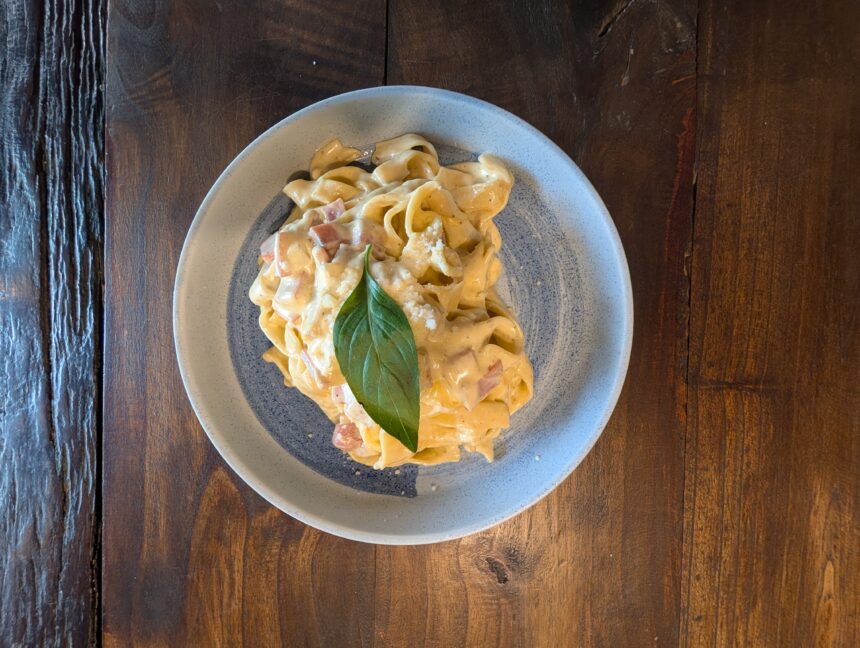
An Italian dinner in Tam Coc can be as simple as choosing a fresh pasta sauce, adding a glass of wine and letting the evening slow down.
At Cantine Tam Coc Italian Kitchen, the pasta is made in the restaurant and served as tagliatelle, with five sauces that move between tomato, cream, beef, chilli and the salty depth of anchovies and olives.
The wine list is deliberately short, so you can begin with the character of the pasta rather than trying to navigate a long cellar.
Begin with the sauce
Fresh tagliatelle has a soft, substantial texture and a broad surface that carries sauce well.
Cantine serves it with ragù Bolognese, puttanesca, carbonara, arrabbiata or a lemon and cream sauce.
These aren’t small variations on the same dinner.
Ragù brings beef, vegetables and tomato, while puttanesca is shaped by anchovies, capers and black olives.
Arrabbiata keeps the focus on tomato, garlic, basil and chilli.
Carbonara is the richest option on the current menu, combining cream and egg with bacon, ham, onion and Parmigiano.
Limone also uses cream and Parmigiano, but lemon and lemon zest give it a brighter direction.
Each pasta is accompanied by a side salad of seasonal greens, adding a fresh contrast without turning dinner into several separate courses.
Choose wine by weight and flavour
Wine pairing doesn’t need to follow a rigid rule.
A useful starting point is to match the weight of the wine to the sauce, then consider its most prominent flavours.
The current menu offers Cabernet Sauvignon and Chenin Blanc by the glass, which works well when two diners choose very different pasta or only one person wants wine.
Pinot Grigio Sicilia and Nero d’Avola Sicilia DOC are available by the bottle for a longer shared dinner.
The exact character of any wine depends on the producer and vintage, so the pairing should remain a guide rather than a promise about how the glass will taste.
Red wine with ragù or tomato
Nero d’Avola is the natural bottle to consider with ragù Bolognese or arrabbiata.
The Sicilian grape is commonly associated with a rounded, full-bodied style, and producers frequently recommend it with savoury pasta, meat and tomato-based dishes.
That gives it enough presence for beef ragù without making the sauce feel secondary.
With arrabbiata, the pairing is more personal because alcohol can make chilli feel warmer.
If you’re sensitive to heat, the white wine may give you a gentler contrast, or you can ask how spicy the sauce is before deciding.
Cabernet Sauvignon by the glass provides another red option, particularly when you want wine with ragù but don’t need a bottle for the table.
White wine with cream and savoury flavours
Pinot Grigio Sicilia is the clearest bottle choice for the lemon and cream pasta.
Pinot Grigio is often fresh and lightly fruity, with the acidity that helps a white wine sit comfortably beside a creamy sauce.
It can also make sense with puttanesca when you’d rather meet its anchovies and capers with freshness than add the weight of a red.
Chenin Blanc by the glass leaves more room to experiment.
It is a practical option with Limone, and it may suit carbonara when you prefer white wine with a rich sauce.
Carbonara can support either colour, but freshness matters more than choosing red or white because the sauce already carries cream, egg, cured pork and cheese.
Dinner still works when not everyone wants pasta
A pasta-focused evening doesn’t require everyone at the table to order the same kind of meal.
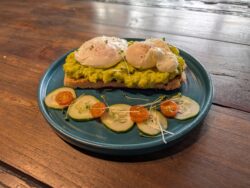
Cantine’s menu also includes fresh soups, salads and rice bowls, which gives a group room to accommodate a smaller appetite or someone who would prefer something outside Italian cuisine.
This is especially helpful after a full day around Tam Coc, when one person may want a substantial ragù and another would rather finish with soup or salad.
If an allergy or specific dietary requirement affects the decision, speak with the restaurant before ordering so the current ingredients and preparation can be confirmed.
Plan an unhurried evening

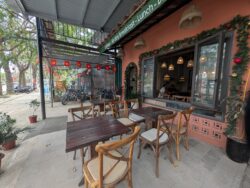
Cantine is on Tam Coc Road and currently opens daily for dinner, though hours and availability can change.
Checking the current Cantine menu before leaving is the simplest way to see whether the pasta and wine you have in mind are still listed.
If you’re comparing pasta with the wider Italian dining options nearby, the guide to Italian restaurants in Tam Coc and Ninh Binh explains the practical differences.
For more detail on how Cantine makes its tagliatelle and what distinguishes the five sauces, read the guide to fresh homemade pasta in Tam Coc.
For dinner itself, keep the decision simple.
Choose the sauce you want first, use the wine to complement its weight and strongest flavours, then give the meal the time it deserves.